Business Etiquette

The “Sweet Wine Code” Hanging on Autumn Vines

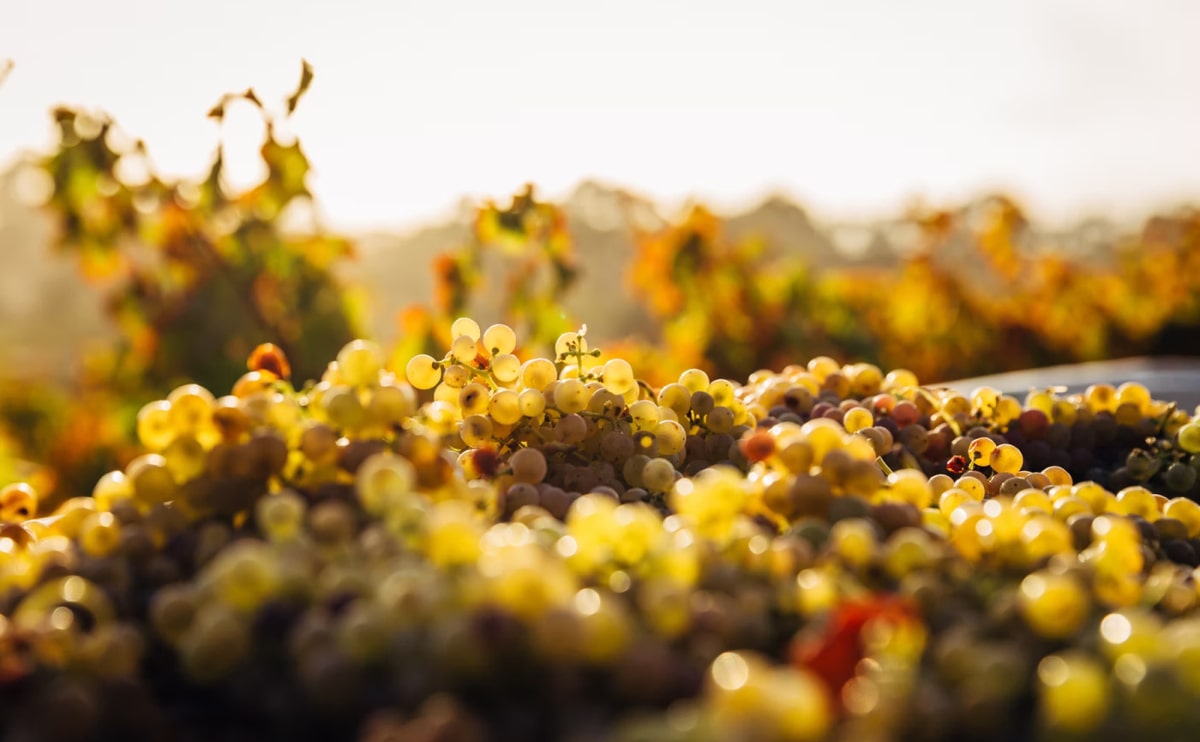
When the vine leaves in the vineyard turn autumnal orange (just like the plump berries in the image), the round, golden-glossed fruits in this basket are none other than the “sweet wine workhorse” of the wine world: Late Harvest Grapes.

What Are Late Harvest Grapes?

Late Harvest Grapes are not a specific grape variety, but a category of grapes cultivated via the “delayed harvest” technique:
 
They are picked 2–4 weeks later than regular table/winemaking grapes, usually in late autumn (the yellowed leaves and warm light in the vineyard of the image are classic signs of the late harvest season). This is a “time magic” used by winemakers to obtain high-sugar berries.

Its Sweetness: The “Concentration Trick” of Autumn Vines

The high sweetness of late harvest grapes isn’t inherent—it comes from 3 key changes brought by delayed harvesting:
 
  1. Natural Moisture Concentration: In late autumn, cooler temperatures and soft light let water in the berries evaporate slowly through the skin, concentrating sugars (fructose, glucose) to 2–3 times that of regular grapes (the plump yet slightly wrinkled berries in the image are a telltale sign of this evaporation).
  2. Flavor Compound Settlement: During extended time on the vine, grapes build up richer fruity notes (e.g., honeyed pear, citrus) while tannins and acidity mellow—avoiding the cloyingness of excessive sweetness.
  3. Non-Botrytis Late Harvest: The intact skins of the grapes in the image mean they’re “naturally late-harvested” (distinct from botrytis-infected grapes). They rely purely on autumn’s climate to condense sugars, resulting in a fresher, cleaner flavor.

Core Use: The “Soul Ingredient” of Sweet Wines

These high-sugar grapes are the backbone of sweet wines:
 
  1. Most often, they’re used to make late harvest sweet whites (like the Bird of Paradise Sweet White we mentioned earlier)—with a golden/pale amber hue (matching the berries in the image) and flavors centered on honeyed fruit.
  2. Varieties like Riesling or Gewürztraminer’s late harvest grapes can also become sweet rosés with subtle floral notes, perfect for light meals or post-dinner sipping.

How to Identify Late Harvest Grapes by Appearance

From the image’s features, late harvest grapes typically have:
 
  1. Berries: Plump but slightly wrinkled (a trace of moisture loss).
  2. Color: Deeper than regular grapes of the same type (e.g., white grapes shift from pale green to golden, with faint purple undertones).
  3. Growth state: Still on the vine when the leaves have turned yellow (marking the late autumn harvest period).
Late harvest grapes are a “gift from time to the vineyard”—over 20 extra days, they condense autumn’s warmth and vine leaves’ aroma into the soft richness of sweet wine.

Leave a Reply

Your email address will not be published. Required fields are marked *