
Wine Knowledge Popularization
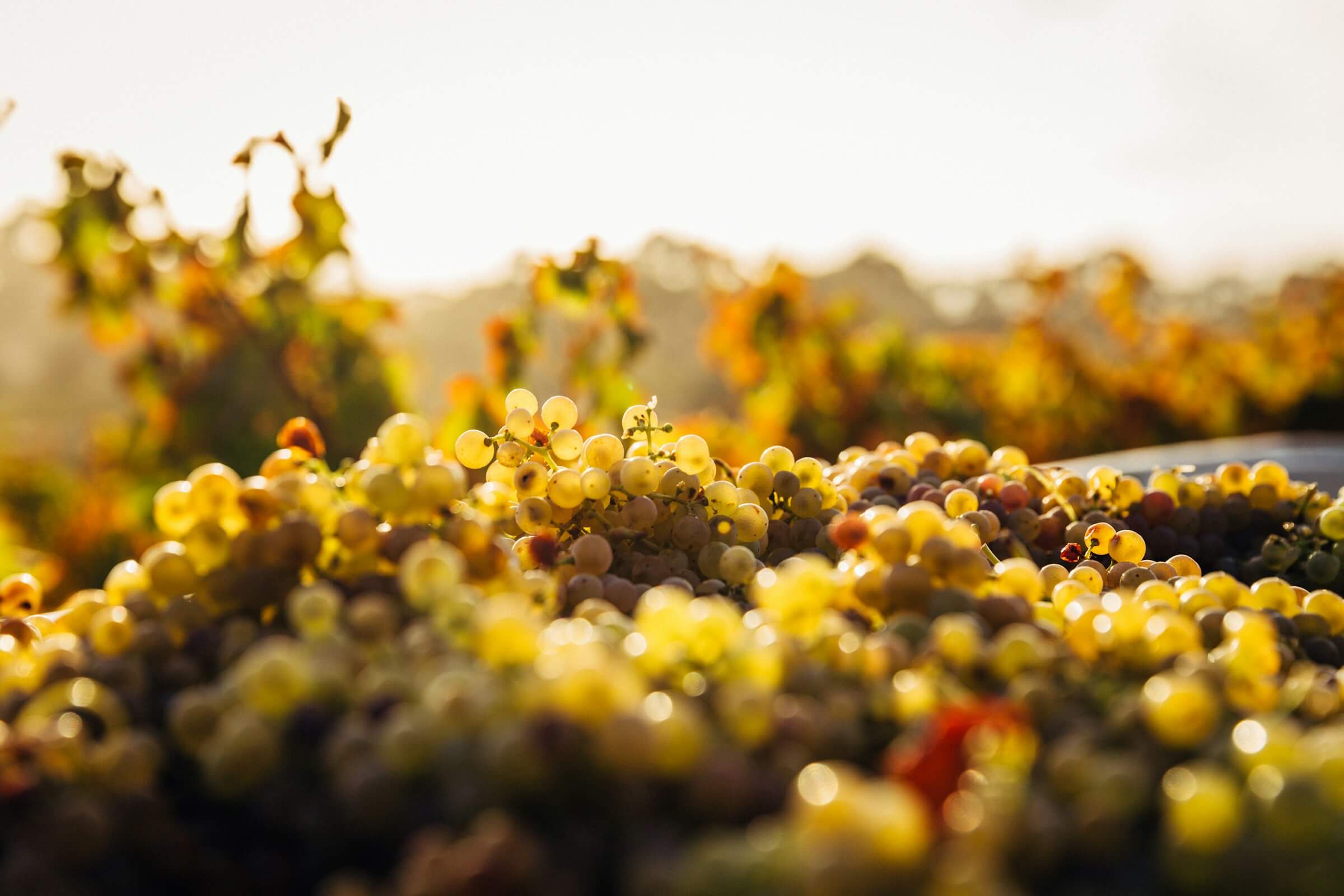
Wine is an art blending nature and craftsmanship, crafted from approximately 50 premium grape varieties among over 6,000 wine-making grapes. Master the following knowledge to easily navigate the world of wine:
Grape Varieties: The Soul of Wine
1. Four Classic Red Grape Varieties
Cabernet Sauvignon - "King of Red Grapes"
- Characteristics: High tannins, high acidity, aromas of blackcurrant and green pepper, excellent aging potential
- Top Regions: Bordeaux (France), California (USA), Chile
- Food Pairing: Red meat such as steak (enhances meat flavor and cuts through richness)
Merlot - "Mellow Version of Cabernet Sauvignon"
- Characteristics: Soft tannins, flavors of plum and chocolate, round and easy-drinking
- Top Regions: Bordeaux (France, 80% production), Italy, Chile
- Food Pairing: Roast lamb chops, medium-hard cheeses
Pinot Noir - "Elegant Noble"
- Characteristics: Thin skin (hard to cultivate), delicate red fruit aromas, silky tannins, rich aging changes
- Top Regions: Burgundy (France), Oregon (USA), New Zealand
- Food Pairing: Roast duck, salmon, mushroom dishes
Syrah/Shiraz - "Bold Aromatic"
- Characteristics: French Syrah (black pepper, violet aromas); Australian Shiraz (dark chocolate, intense fruit flavors); high tannins
- Top Regions: Rhône Valley (France), Australia, Argentina
- Food Pairing: Braised meats, dark chocolate (70%+ cocoa)
2. Four Classic White Grape Varieties
Chardonnay - "Versatile Queen"
- Characteristics: Adaptable; crisp apple/mineral notes in cool regions (Chablis) vs. peach/cream aromas in warm regions (California)
- Top Regions: Burgundy (France), California (USA), Champagne (sparkling wine base)
- Food Pairing: Seafood, creamy dishes
Riesling - "Master of Sweet-Acid Balance"
- Characteristics: High acidity, excellent from dry to sweet styles; floral, citrus, and mineral flavors
- Top Regions: Germany, Alsace (France), Clare Valley (Australia)
- Food Pairing: Asian cuisine (especially spicy food), fruit desserts
Sauvignon Blanc - "Fresh Herbal Aroma"
- Characteristics: Crisp acidity, aromas of grass, aloe vera, and blackcurrant buds; sometimes flinty mineral notes
- Top Regions: Loire Valley (France), Marlborough (New Zealand), Chile
- Food Pairing: Oysters, steamed fish, salads
Pinot Gris - "Misty Poet"
- Characteristics: Pear, honeydew, and almond flavors; two styles: crisp dry (Italy) vs. rich oily (Alsace)
- Top Regions: Northern Italy, Alsace (France), Oregon (USA)
- Food Pairing: White meat, seafood, Asian cuisine
Wine Tasting: A Feast for the Senses
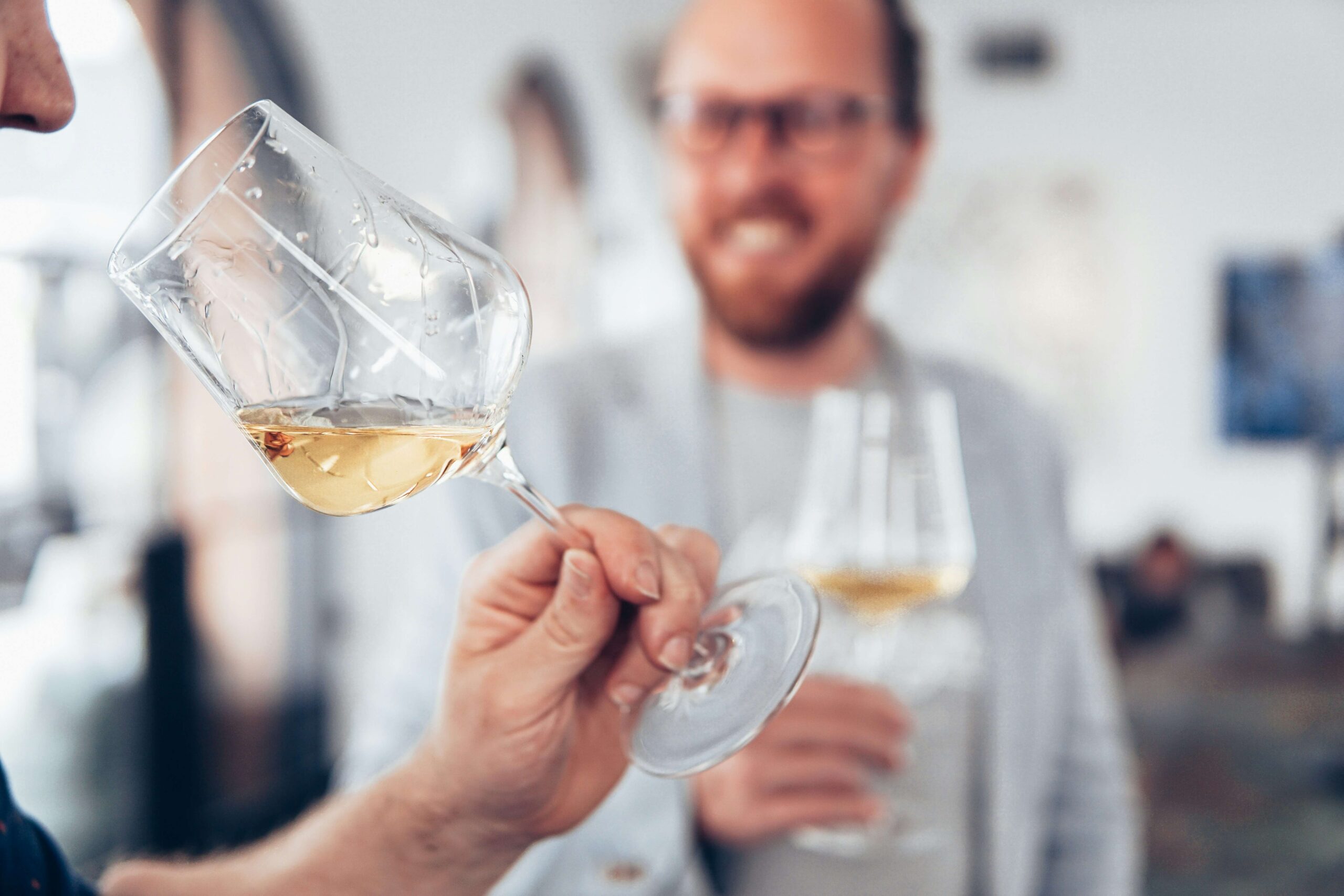
Four-Step Tasting Process:
1. Sight: Judge "Age & Variety" in 3 Seconds
- Red Wine: Young (purple-red) → Aged (brick red) → Old (tawny)
- White Wine: Young (pale lemon) → Aged (golden) → Old (amber)
- Tilt glass at 45° against a white background; clarity reflects quality
- Legs: Dense, persistent legs indicate high alcohol content or full body
2. Smell: Capture Multi-Layered Aromas
- Step 1: Static Smell → Identify primary aromas (fruit, floral)
- Step 2: Swirl gently to release aromas → Sense secondary aromas (oak, vanilla)
- Step 3: Deep Sniff → Explore tertiary aromas (leather, mushroom, spices) in aged wines
- Note: Avoid perfume or strong-flavored food to prevent olfactory interference
3. Taste: Experience the "3D Structure"
- Sip a small amount and coat the tongue:
- Tip: Detects sweetness
- Sides: Feels acidity
- Back: Identifies bitterness
- Whole mouth: Experiences tannins
4. Finish: Ultimate Quality Benchmark
- After swallowing, feel the length of the finish: Premium wines have a finish lasting 10+ seconds
- Complexity: Richness of aroma layers; Balance: Harmony of acid, sweetness, astringency, and alcohol
Key Tasting Terms Explained:
Tannin - "Skeleton" of Wine (from grape skins/seeds)
- Mouthfeel: Astringency (similar to strong tea); high-quality tannins are silky, while low-quality ones are harsh
- Function: Supports structure, enhances aging potential; core of red wine (negligible in white wine)
Body - "Weight" in the Mouth
- Light: Like skim milk (dry Riesling)
- Medium: Like whole milk (Merlot)
- Full: Like cream (Syrah, Cabernet Sauvignon)
Acidity - "Freshness Factor" of Wine
- Expression: Crispness (similar to citrus or green apple)
- Function: Boosts vitality, extends finish, balances sweetness and tannins; ideal with seafood
Practical Tips
1. Serving Temperature: Temperature Defines Taste
- Red Wine: 16-18℃ (room temperature); overheating emphasizes alcohol, overcooling masks aromas
- White Wine: 8-12℃; chill for 10-15 minutes to enhance freshness
- Sparkling Wine/Dessert Wine: 6-8℃; preserves bubble vitality and sweetness balance
2. Glass Selection: Vessels Serve Wine
- Red Wine Glasses: Wide bowl (aids aroma concentration); Bordeaux glass for Cabernet Sauvignon, Burgundy glass for Pinot Noir
- White Wine Glasses: Narrow bowl (maintains cool temperature); Flute for sparkling wine
3. Food Pairing Golden Rules
- Red Wine + Red Meat: Steak, lamb chops (tannins cut through fat; fat softens tannins)
- White Wine + Seafood: Oysters, steamed fish (acidity eliminates fishiness and enhances umami)
- Rosé Wine + Summer Bites: Fruit, salads (crisp taste complements light dishes)
- Dessert Wine + Desserts: Crème brûlée, fruit tarts (matching sweetness levels)
Summary
Wine tasting is a sensory journey. Start by learning the four classic red grapes (Cabernet Sauvignon, Merlot, Pinot Noir, Syrah) and four classic white grapes (Chardonnay, Riesling, Sauvignon Blanc, Pinot Gris), then master the "Sight-Smell-Taste-Finish" four-step method to easily appreciate wine's charm.